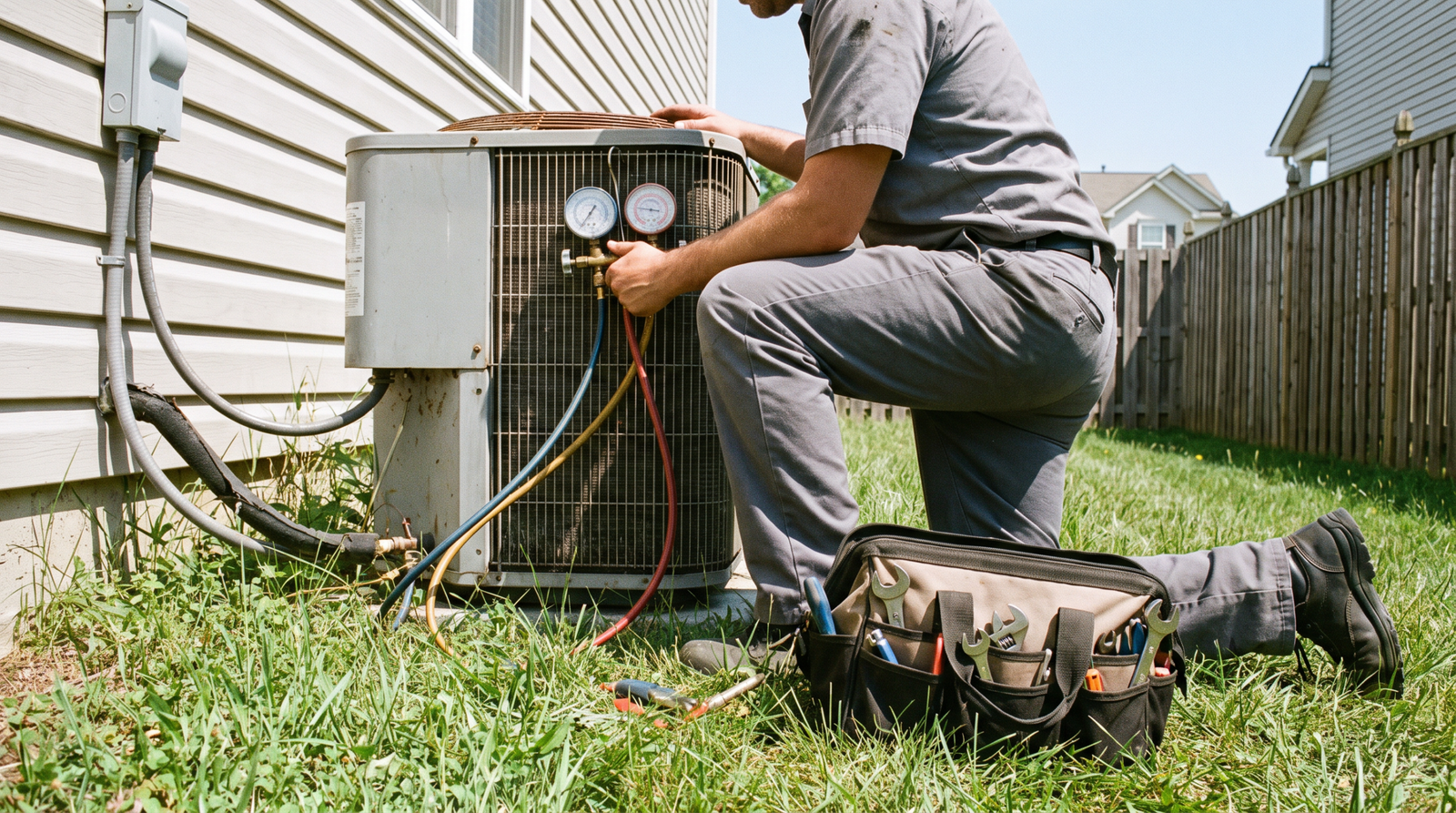
If you are wondering how to get roofing leads, the short answer is to combine sources you own, such as your Google listing, reviews and referrals, with paid sources you can switch on when the calendar is thin.
Roofers asking how to get roofing leads have more options than ever. However, the sources differ a great deal in cost, speed and quality. This guide compares eight of them in plain language, so you can decide where to put your time and money.
It is written for roofing companies in the United States and Canada, with costs shown in both currencies.

Owned, earned and rented leads
First, it helps to sort lead sources into three groups.
- Owned: leads from things you control, such as your website and Google listing.
- Earned: leads from reputation, such as reviews and referrals.
- Rented: leads you pay for each time, such as ads and lead-selling websites.
Rented leads stop when you stop paying. Owned and earned leads keep coming. Therefore, a healthy roofing business builds the first two while using the third to fill gaps.
How to get roofing leads: eight sources compared
| Source | Type | Cost | Speed |
|---|---|---|---|
| Google Business Profile | Owned | Free, plus your time | Weeks |
| Reviews | Earned | Free | Ongoing |
| Referrals and past customers | Earned | Free or a small thank-you | Ongoing |
| Website and SEO | Owned | Setup and monthly work | Months |
| Google Ads | Rented | Per click | Days |
| Local Services Ads | Rented | Per lead | Days |
| Lead-selling websites | Rented | Per lead, often shared | Days |
| Door knocking and yard signs | Owned | Labour and printing | Days |
1. Google Business Profile
This is the free listing that appears on Google Maps. Fill in every service, add photos of recent roofs and post updates. Our Google Business Profile checklist walks through each field.
2. Reviews
Reviews decide who gets the call. For example, BrightLocal’s 2026 survey found that 97% of consumers read reviews for local businesses. So ask every customer when the job is finished. Google’s tips to get more reviews explain how, and they forbid offering rewards.
3. Referrals and past customers
A roof lasts decades, yet neighbours talk. Consequently, a follow-up call, a card and a yard sign after each job cost little and bring warm enquiries. In addition, build ties with real estate agents, home inspectors and insurance brokers, since they meet homeowners at the moment a roof becomes a problem. For example, a short note to past customers each spring, offering a free inspection, reminds them you are still in business.
4. Website and SEO
A page for each service and each town helps you appear in unpaid search results. This takes months, but the leads cost nothing per click. Our guide to SEO for roofers explains the basics.
5. Google Ads
Ads place you at the top of the results within days. Roofing clicks are costly, though. LocaliQ’s older 2023 home services report listed Roofing and Gutters at a cost per lead of US$186.79, about $259 CAD. That figure is dated, so treat it as a rough guide. For broader pricing, see what Google Ads cost for contractors.
6. Local Services Ads
These Google ads sit above the normal ads and charge per lead. They show your reviews and licence details. Google explains the sign-up in Getting started with Local Services Ads.
7. Lead-selling websites
Sites such as Angi and HomeStars sell homeowner enquiries. However, the same lead is often sold to several roofers, so speed decides who wins. Our comparison of construction lead generation companies explains how they charge.
8. Door knocking and yard signs
After a storm, canvassing the affected streets still works. Nevertheless, be honest and local. Homeowners are told to be careful after storms, and the Federal Trade Commission publishes advice on home repair scams. Showing your licence, insurance and local address sets you apart.
Match your sources to the season
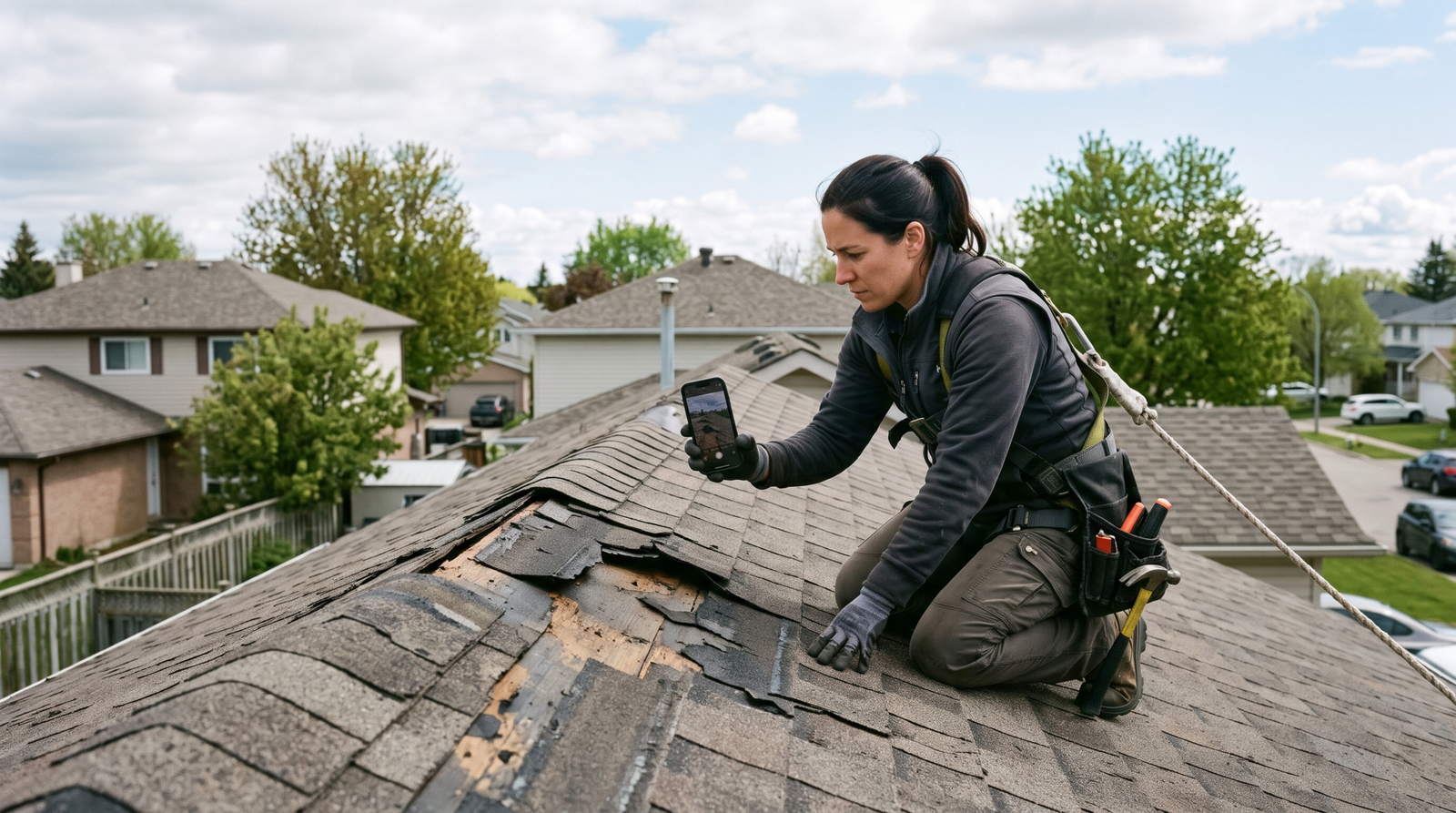
Roofing demand moves with the weather. Therefore, the right mix of sources changes through the year.
- Spring and summer: replacement enquiries rise, so put effort into reviews, referrals and search ads for new roofs.
- After a storm: repair and inspection calls spike for a few weeks, so switch on paid ads and canvass the affected streets.
- Late fall and winter: calls slow in cold regions, so use the time to update your website, collect photos and contact past customers.
In short, build owned sources in the quiet months. Then spend on rented sources when demand is high and crews are free.
What a roofing lead should cost you
Knowing how to get roofing leads is only half the job, because cost per lead only matters next to the value of the work. Here is an illustrative example. Suppose you buy 20 leads at $150 CAD each, about US$108, for a total of $3,000 CAD. If you book ten inspections and sell three roofs, each sold job cost $1,000 CAD in marketing.
That may be fine for a full replacement. On the other hand, it is too much for a small repair. As a result, you should track cost per sold job for each source, not only cost per lead.
Answer fast, or the lead is wasted
Many roofers pay for leads and then miss the call. Meanwhile, the homeowner rings the next company. So set a rule that every enquiry gets a reply within minutes. Our guide to speed to lead shows how to set this up, and free leads for contractors lists more low-cost ideas.
A simple plan for the next 90 days
- Complete your Google listing and add ten recent photos.
- Ask your last 20 customers for a review.
- Add a page to your website for each main service.
- Test one paid source with a small budget for 30 days.
- Write down every lead, its source and whether it became a job.
After 90 days, you will know how to get roofing leads in your own market. Keep the sources that produced sold jobs at a fair cost. Then cut the rest.
Where Brand Builds fits
Brand Builds helps roofers build the owned side, through construction SEO, listings and follow-up systems, while keeping paid leads under control. Plans start at $2,100 CAD a month, about US$1,500, and the options are on our pricing page. To see which sources suit your market, book a free marketing audit.
Frequently asked questions
Combine sources you own, such as your Google listing, website and reviews, with paid sources like Google Ads that you can switch on when you need more work.
It varies by city and source. LocaliQ’s older 2023 report listed Roofing and Gutters search ads at US$186.79 per lead, about $259 CAD. Shared leads from marketplaces often cost less but close less often.
Yes. A complete Google listing, steady reviews and referrals from past customers all bring enquiries without a fee per lead, though they take time to build.
They can fill gaps, but leads are often shared with other roofers. Track cost per sold job and reply within minutes.
Aim to reply within minutes. Homeowners often contact several roofers, and the first helpful answer usually wins the visit.