

Roofing contractor marketing works when it puts your company in front of homeowners before the storm hits, then makes it easy for them to call, book and sign.
Roofing demand rises and falls with the weather. A hailstorm can fill your calendar for a month, and a dry spell can empty it. Good marketing smooths that swing by keeping your name visible all year.
This guide explains how roofers in Canada and the US can combine search, ads and follow-up. It also shows how to prepare for storm season, so you are ready when the phones light up.
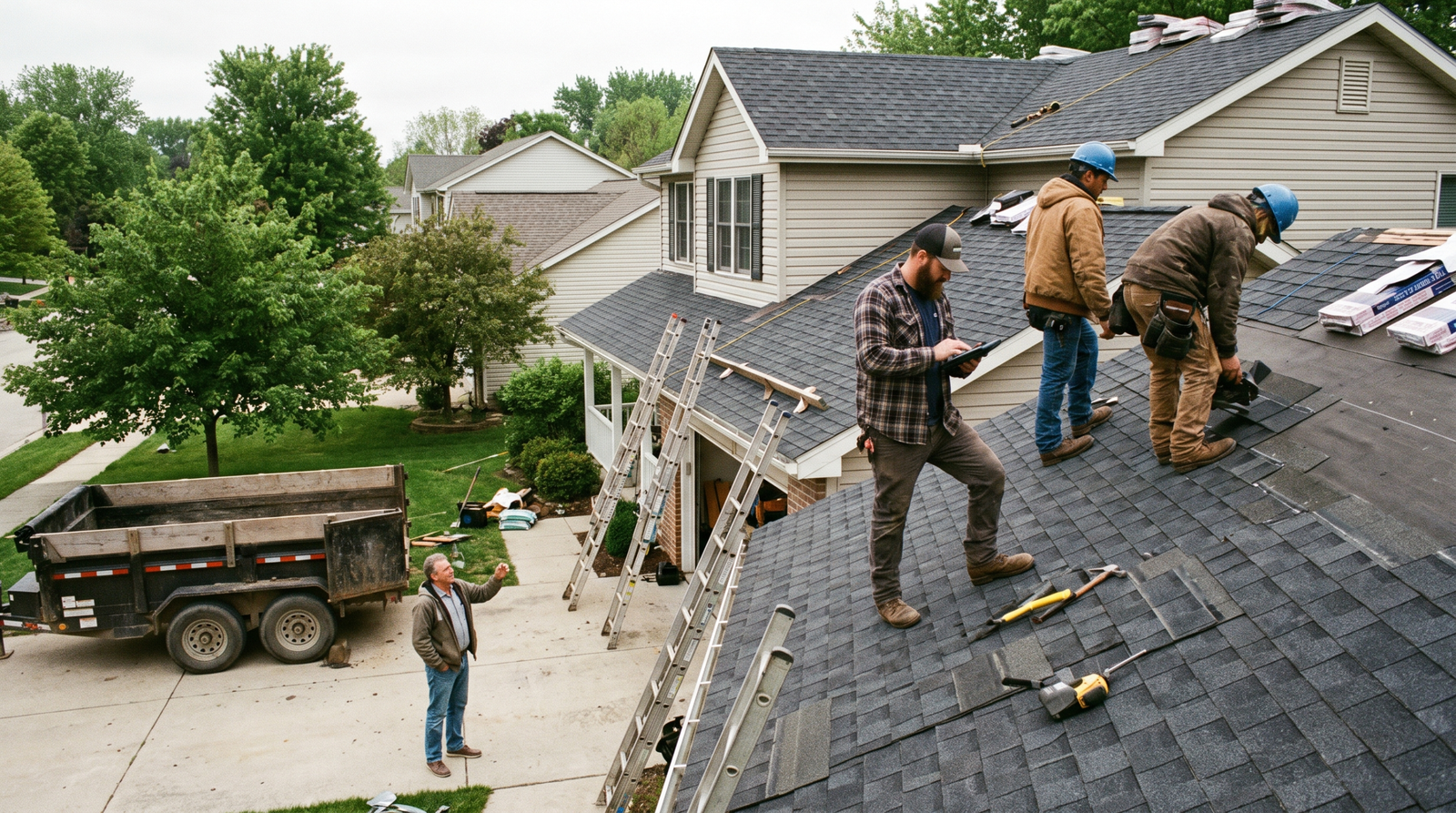
Why roofing contractor marketing is different
A roof is a large, urgent and rarely repeated purchase. Most homeowners have never hired a roofer before. As a result, they search, ask neighbours and compare several companies before they call anyone.
A growing trade with more competition
The US Bureau of Labor Statistics counted about 166,900 roofers in 2025. It projects 5 percent growth from 2025 to 2035, faster than the average for all occupations. Steady demand attracts new crews, so standing out matters more each year.
Trust decides the sale
A published homeowner survey from Roofing Contractor magazine shows how buyers choose. Among homeowners involved in roofing decisions, 73 percent found contractors through word of mouth and 54 percent through search engine results. The same survey found that 97 percent expected contact within one week, and 54 percent wanted a response within one to two days.
Therefore, you need two things at once. Referrals build your reputation, and search makes sure new homeowners can find that reputation online.
Roofing contractor marketing channels at a glance
Not every channel suits every roofer. The table below shows where each one fits, so you can pick a sensible starting mix.
| Channel | Best for | Speed | Main cost |
|---|---|---|---|
| Google Business Profile and reviews | Local trust and map results | Weeks | Time and review requests |
| Local SEO and service pages | Steady year-round enquiries | Months | Monthly SEO work |
| Google Ads | Storm spikes and slow weeks | Days | Ad spend plus management |
| Email and text follow-up | Past customers and open quotes | Days | Low |
| Referrals and partners | High-trust, high-close jobs | Ongoing | Thank-you gifts |
Win the search results homeowners use
Most roof buyers start on a phone. They type something like “roof repair near me” or “roof replacement cost” and tap the first company that looks credible. Consequently, your Google presence is your storefront.
Build your Google Business Profile first
Google says local results rank by relevance, distance and prominence. It adds that more reviews and positive ratings can help your local ranking. Choose the right primary category, list every service, and add photos of real jobs. Our guide to Google Business Profile for contractors covers each fix in order.
Create pages for each service and city
Build one page for each core service, such as roof replacement, repair, metal roofing and inspections. Then add a page for each main city you serve. Write about real jobs, materials and timelines, rather than generic claims. Our guides to local SEO for contractors and SEO for contractors explain the process and the typical timeline.
Use ads for storm spikes and slow weeks
SEO takes months. Ads work in days, which makes them useful when a storm hits or the calendar goes quiet. You can read more about this channel in our guide to Google Ads for contractors.
A simple example budget
Imagine a roofer who sets aside CA$3,000 a month, about US$2,160, for ads during storm season. The roofer might then cut that to CA$1,500, about US$1,080, in the quiet winter weeks. This is an illustration only. Your numbers depend on your market and your average job size.
Send clicks to a page built for the job
Do not send ad traffic to your home page. Instead, build a short landing page with one clear offer, such as a free roof inspection. Show your licence, insurance, warranty and a few recent photos. Put a phone number and a short form above the fold.
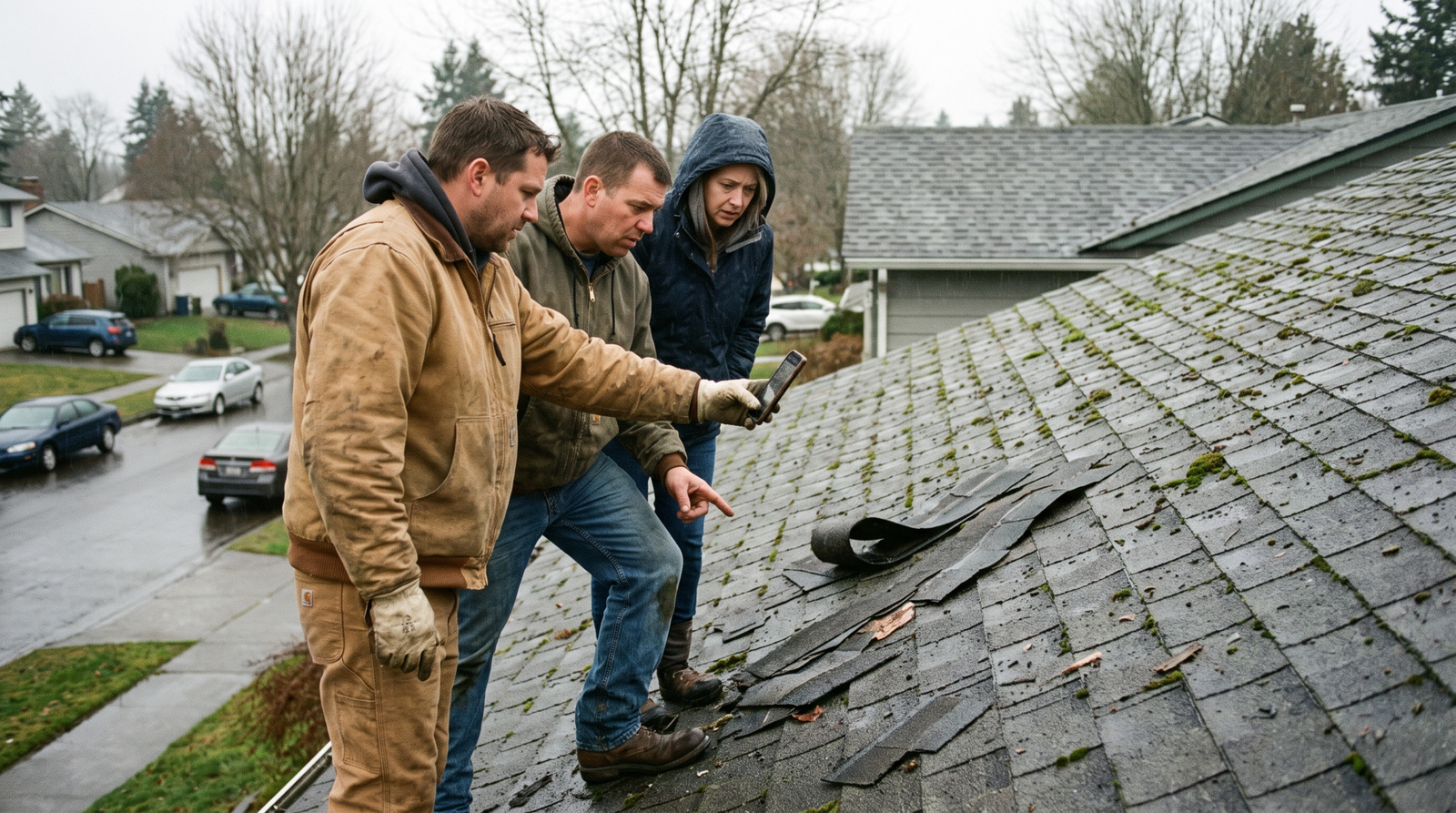
Prepare a storm-season playbook
Storms create a rush of searches within hours. Roofers who prepare in advance win most of that work. A short checklist helps you stay ready:
- Keep your Google profile hours, phone number and service areas accurate.
- Prepare a storm-damage landing page that you can switch on quickly.
- Pre-write ad copy and set a daily budget cap before the season starts.
- Decide who answers calls and texts after hours.
- Prepare a short inspection checklist and a clear estimate template.
Before the storm: build your list
Collect emails and phone numbers from past customers, with their consent. In Canada, the CRTC explains express and implied consent under the anti-spam law. Then send a seasonal reminder about gutters, flashing and inspections. Our guide to email marketing shows how to set it up once.
After the storm: stay honest
Door-knocking and pressure tactics have damaged the reputation of storm-chasing crews. Therefore, local roofers can stand out by being calm and transparent. Explain what you found, show photos, and give a written estimate. Homeowners remember that tone, and they leave reviews about it.
Follow up fast, or lose the job
Speed often decides who wins. If a homeowner fills out a form and waits two days, another roofer will probably answer first. Because most buyers expect a reply within one or two days, an answer within an hour sets you apart.
Three habits that protect every lead
First, respond to every call, text and form quickly, even if only to confirm a time. Second, send a clear estimate within a day of the inspection. Third, follow up on every open quote at day three, day seven and day fourteen. A simple CRM or text-back tool can handle these steps without extra effort.
Measure the numbers that matter
Track a few simple figures each month. Looking at too many numbers hides the story. These four tell you most of what you need:
- Calls and form enquiries by source.
- Inspections booked and estimates sent.
- Jobs signed and average job value.
- Cost per signed job for each channel.
Compare each month with the same month last year, because roofing is seasonal. Then move budget toward the channels that produce signed jobs. Our overview of contractor marketing services explains what to add next, and our guide to leads for contractors compares paid lead sites with an owned lead engine.
Where Brand Builds fits
Brand Builds runs local search, Google ads and follow-up for construction trades, including roofers, through our construction SEO and marketing services. Plans start at $2,100 CAD a month, about US$1,500, and the full options are on our pricing page. If you want a second opinion before storm season, book a free marketing audit.
Frequently asked questions
Start with a complete Google Business Profile, strong reviews and service pages for each city you serve. Add Google Ads for storm spikes and slow weeks, and follow up on every enquiry quickly.
It depends on your market and goals. Many roofers start with a monthly budget for SEO and a separate ad budget. Brand Builds plans start at $2,100 CAD a month, about US$1,500, and ad spend is usually extra.
Prepare in advance. Keep your Google profile accurate, switch on a storm-damage landing page, run capped search ads and answer every call and text fast. Honest inspections and clear estimates earn reviews that bring more work.
Usually yes. SEO builds steady enquiries that keep arriving after you stop paying for clicks. It takes months to build, so many roofers pair it with ads for faster results.
Ask every satisfied customer right after the job, and send a direct link to your Google profile by text or email. Reply to every review, because Google says more reviews and positive ratings can help your local ranking.

